
The best air purifying indoor plants can make your home feel fresher, calmer, and more inviting. While houseplants are not a replacement for ventilation or a real air purifier, they still offer real indoor benefits through beauty, humidity, stress reduction, and connection to nature.
Many plants on this list became popular because of older clean-air studies, but today it is better to think of them as helpful houseplants rather than magic air filters. They can support a healthier-feeling space, especially when paired with good airflow, regular cleaning, and proper plant care.
This guide covers beginner-friendly indoor plants that are often called air-purifying plants, along with simple care tips and realistic expectations for what they can do indoors.
The 10 Best Air Purifying Indoor Plants Are:
- Spider Plant (Chlorophytum comosum)
- Snake Plant (Sansevieria trifasciata)
- Peace Lily (Spathiphyllum)
- Aloe Vera (Aloe barbadensis miller)
- English Ivy (Hedera helix)
- Rubber Plant (Ficus elastica)
- Bamboo Palm (Chamaedorea seifrizii)
- Golden Pothos (Epipremnum aureum)
- Boston Fern (Nephrolepis exaltata)
- Areca Palm (Dypsis lutescens)
What You’ll Learn
- Which indoor plants are commonly known as air-purifying plants
- What houseplants can and cannot do for indoor air quality
- Which plants are easiest for beginners to grow indoors
- Which plants work well in bedrooms, offices, and living rooms
- How to care for each plant so it stays healthy indoors
- How to choose plants that improve the feel of your indoor space
Quick Answer: Best Air Purifying Indoor Plants
The best air purifying indoor plants include Spider Plant, Snake Plant, Peace Lily, Aloe Vera, English Ivy, Rubber Plant, Bamboo Palm, Golden Pothos, Boston Fern, and Areca Palm. These plants are popular because they are attractive, beginner-friendly, and can help indoor spaces feel fresher, but they should not be treated as replacements for ventilation, cleaning, or mechanical air purifiers.
How Indoor Plants Improve Your Living Space
Houseplants can support a healthier indoor environment, but not in the way many older articles claimed. Instead of acting like full-scale air filters, their biggest benefits are often indirect.
Better Humidity Balance
Plants release moisture into the air through transpiration, which can make dry indoor spaces feel more comfortable.
Lower Stress Levels
Studies consistently show that being around plants can help reduce stress and improve mood, making indoor spaces feel calmer and more relaxing.
A Cleaner Feeling Space
Plants can help trap dust on leaves and encourage better maintenance habits like regular cleaning and airflow.
Visual Wellness
A room filled with healthy plants often feels fresher, brighter, and more inviting, even if the measurable air quality changes are modest.
The 10 Best Air Purifying Indoor Plants
Indoor plants do more than just add color and texture to your home. Many of the plants on this list have long been associated with cleaner indoor spaces and are still popular today for their easy care, humidity support, and ability to make rooms feel fresher and more inviting.
Below are 10 of the best indoor plants often chosen for their practical benefits, attractive growth habits, and beginner-friendly care requirements.
1. Spider Plant (Chlorophytum comosum)
 JM BAMBOO Reverse Variegated Spider Plant – Easy to Grow/Cleans The Air – 4in Pot
Let’s kick things off with a true classic – the Spider Plant (Chlorophytum comosum).
This popular houseplant has been a favorite for generations, and it’s easy to see why.
With its lovely arching leaves and unique spider-like offshoots, it brings a touch of whimsy to any space.
But don’t be fooled by its charming appearance; this little green warrior is also a powerful air purifier.
So, get ready to learn more about this amazing plant and how it can help you breathe easier in your own home!
Meet the Spider Plant
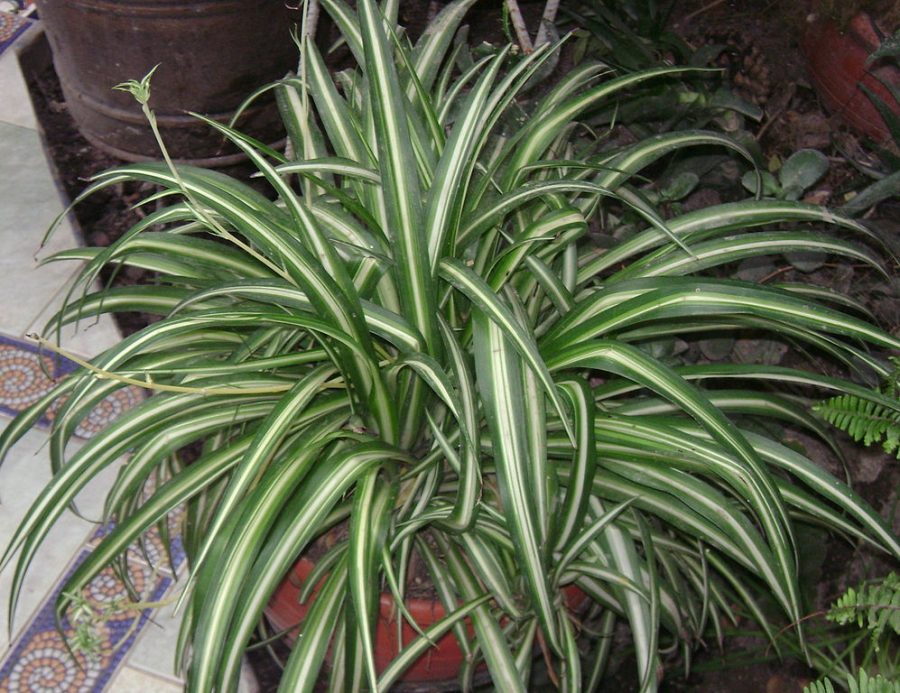
The Spider Plant, also known as Chlorophytum comosum, is a charming houseplant with long, arching leaves that are green with white stripes.
What makes it truly unique are the little spider-like offshoots, or “babies,” that dangle from the parent plant, giving it an eye-catching and playful appearance.
This lovely plant is sure to add a touch of fun to any room in your home.
A Fresh Feeling Indoor Plant
Spider Plants have long been included in classic clean-air plant lists, but today they are better appreciated for the practical benefits they bring to indoor spaces.
Their arching green and white leaves add movement and softness, making rooms feel brighter and more inviting.
Spider Plants are also beginner-friendly, fast-growing, and excellent for hanging baskets or shelves. Like many leafy houseplants, they release moisture into the air through transpiration, which can help make dry indoor spaces feel a little more comfortable.
While they should not be relied on as true air filters, Spider Plants remain one of the easiest and most rewarding plants for creating a fresher, greener indoor environment.
Easy Breezy Care

One of the reasons the Spider Plant is such a popular choice is its easygoing nature.
It’s quite adaptable and can thrive in various light conditions, although it prefers bright, indirect light.
When it comes to watering, simply let the soil dry out slightly between waterings to prevent root rot.
And don’t worry if you’re not a pro at plant care – the Spider Plant is pretty forgiving and can bounce back from a bit of neglect.
With minimal effort, you’ll have a beautiful, air-purifying companion that will brighten up your home for years to come.
Read more: How to Care for Spider Plants Indoors
2. Snake Plant (Sansevieria trifasciata)
Say hello to another air-purifying powerhouse – the Snake Plant (Sansevieria trifasciata).
This striking plant, with its tall, sword-like leaves and striking patterns, makes a bold statement in any room.
But its beauty is just the beginning; the Snake Plant is also renowned for its ability to filter the air and improve your home’s overall air quality.
Let’s dive into the wonderful world of Snake Plants and learn how they can help you breathe easier, even while you sleep!
Introducing the Snake Plant
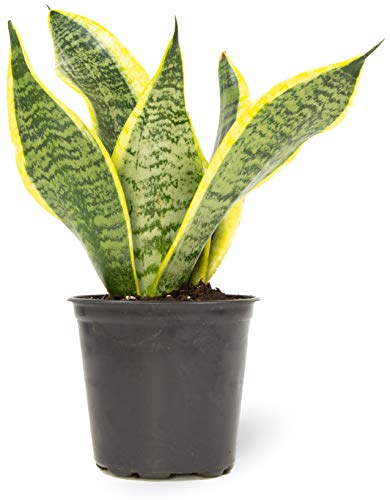
The Snake Plant, also known as Sansevieria trifasciata or Mother-in-Law’s Tongue, boasts tall, upright leaves that can grow up to several feet in height.
These sturdy leaves feature unique patterns and colors, ranging from dark green with lighter green stripes to silvery gray tones.
Its modern and architectural appearance makes it a great addition to any home, adding a touch of contemporary flair.
A Low-Maintenance Plant Perfect For Bedrooms

Snake Plant is one of the easiest houseplants to grow and one of the most popular for bedrooms, offices, and low-maintenance spaces. Its upright sword-like leaves add clean lines and structure while taking up very little floor space.
Unlike many tropical plants, Snake Plant is highly drought-tolerant and can handle missed waterings, low humidity, and lower light better than most indoor plants. This makes it an excellent option for beginners or anyone wanting a tough plant that asks for very little.
Snake Plant has long been included in classic air-purifying plant lists, but today its biggest appeal is its durability, simple care, and ability to bring strong architectural style into indoor spaces.
Low-Maintenance Wonder
One of the best things about the Snake Plant is that it’s incredibly low-maintenance and hardy.
It can tolerate a variety of lighting conditions, from low light to bright, indirect light.
It’s also drought-tolerant and doesn’t require frequent watering – simply wait until the soil is dry before giving it a drink.
In fact, overwatering is the most common mistake when caring for Snake Plants, so it’s better to err on the side of caution.
With its easy care and impressive air-purifying abilities, the Snake Plant is a must-have addition to any indoor space.
Read more: Indoor Snake Plant Care [Bullet Proof Houseplant]
3. Peace Lily (Spathiphyllum)
 Costa Farms Peace Lily, Live Indoor Plant with Flowers, Easy to Grow Houseplant in Decorative Pot
Let us introduce you to the elegant and hardworking Peace Lily (Spathiphyllum).
With its beautiful, dark green leaves and stunning white flowers, it’s a sophisticated addition to any home decor.
But this lovely plant is more than just a pretty face – it also works tirelessly to cleanse the air and create a healthier environment for you to enjoy.
So, let’s take a closer look at the Peace Lily and discover how it can help transform your home into a serene and refreshing sanctuary.
Meet the Elegant Peace Lily
The Peace Lily, or Spathiphyllum, is a popular indoor plant known for its lush, dark green leaves and captivating white flowers, which are actually modified leaves called spathes.
These spathes surround the plant’s true flowers, which are tiny and found on a central spike called a spadix.
The elegant appearance of the Peace Lily makes it a versatile choice that can complement both modern and traditional interior designs.
A Beautiful Plant That Adds Comfort To Indoor Spaces

Peace Lilies have been featured in classic clean-air plant studies for years, but today they are best known as beautiful, low-maintenance houseplants that can make indoor spaces feel calmer and more inviting.
Their glossy green leaves and elegant white blooms add a clean tropical look while also releasing moisture into the air through transpiration, which can help dry rooms feel more comfortable.
Peace Lilies are especially popular in bedrooms, offices, and living rooms because they combine strong visual appeal with easy indoor care. While they are not a replacement for an air purifier, they remain one of the most rewarding plants for creating a fresher-feeling indoor space.
Simple Care for a Serene Atmosphere
Despite its delicate appearance, the Peace Lily is surprisingly easy to care for.
It thrives in low to medium light, making it perfect for rooms with limited natural light.
However, it will produce more flowers when placed in a well-lit area with indirect sunlight.
When it comes to watering, allow the top inch of soil to dry out before giving it a drink.
One helpful tip is to watch for slight drooping, which is a sign that the plant is thirsty.
With just a little care and attention, your Peace Lily will reward you with gorgeous blooms and a cleaner, more relaxing living space.
Read more: How To Care For Peace Lily Indoors:13 Easy Care Growth Tips
4. Aloe Vera (Aloe barbadensis miller)
 Live Aloe Vera Plant Indoor House Plants by Plants for Pets
Get ready to meet one of the most versatile and beneficial plants around, Aloe Vera (Aloe barbadensis miller).
This amazing succulent is not only a powerful air purifier, but it also offers numerous health benefits thanks to its soothing gel.
With its striking appearance and a multitude of uses, the Aloe Vera plant is an incredible addition to any home.
Let’s dive in and learn more about this fantastic green gem and how it can improve both your air quality and well-being!
The Multitalented Aloe Vera
Aloe Vera, or Aloe barbadensis miller, is a succulent with fleshy, green-gray leaves that grow in a rosette pattern.
The leaves are edged with small, spiky teeth, giving it a distinctive and eye-catching appearance.
Aloe Vera is not only an attractive plant but also a practical one, as its leaves contain a gel that is widely known for its soothing and healing properties.
A Breath of Fresh Aloe
More Than Just A Healing Plant

Aloe Vera is one of the most practical indoor plants you can grow because it combines easy care with useful everyday benefits. Its thick fleshy leaves store water, making it highly drought-tolerant and a great choice for busy plant owners.
Beyond its bold architectural look, Aloe Vera is widely grown for the soothing gel inside its leaves, which is often used for minor burns and skin irritation. Its compact growth also makes it a strong fit for sunny windowsills, kitchens, and bedrooms.
While Aloe Vera has long appeared on clean-air plant lists, its real strength indoors is its low-maintenance nature, useful gel, and ability to add a clean, simple look to bright indoor spaces.
A Succulent that Loves the Sun
Aloe Vera is a low-maintenance plant that’s perfect for those who are new to plant care or have a busy lifestyle.
As a sun-loving succulent, it thrives in bright, indirect light. A sunny windowsill is an ideal spot.
When it comes to watering, Aloe Vera prefers well-draining soil and should be allowed to dry out completely between waterings.
Be cautious not to overwater, as this can lead to root rot. With minimal care, your Aloe Vera will flourish, providing cleaner air and a natural remedy for minor skin irritations right at your fingertips.
Read more: How To Care For Aloe Plants Indoors:13 Growth Tips
5. English Ivy (Hedera helix)
 Thorsen’s Greenhouse Live Green English Ivy Plant, Hedera Helix, Live Indoor Plant, 4″ Diameter Pot
Allow us to introduce you to the evergreen climber, English Ivy (Hedera helix).
This versatile and attractive plant is not only a gorgeous addition to your home decor but also an incredible air purifier.
With its ability to remove a wide range of pollutants and adapt to various environments, English Ivy is a fantastic choice for enhancing both the beauty and air quality of your indoor spaces.
Let’s learn more about this charming plant and how it can help you breathe easier at home!
The Charm of English Ivy
English Ivy, or Hedera helix, is a versatile evergreen vine with glossy, dark green leaves and a beautiful trailing or climbing habit.
Its leaves come in various shapes and sizes, often with white or yellowish veins, which add to its visual appeal.
English Ivy can be used as a hanging plant, allowed to climb on a trellis, or even trained to grow on a topiary frame, making it a stunning and adaptable addition to any home.
A Pollution-Fighting Powerhouse

English Ivy has been a popular indoor plant for years because of its trailing vines, dense foliage, and easy adaptability to containers and hanging baskets.
Its cascading growth makes it a strong choice for shelves, plant stands, and elevated spaces where you want greenery to spill naturally.
It has often been included in classic clean-air plant studies, but today it is better appreciated for its decorative value and ability to make indoor spaces feel fuller and more vibrant. Its thick foliage can also help create a softer, greener atmosphere in bright rooms.
For growers who want a versatile trailing plant with strong visual appeal, English Ivy remains one of the most reliable and attractive indoor choices.
Caring for Your Ivy
English Ivy is relatively easy to care for, but it does require a bit of attention to keep it happy and healthy.
It prefers bright, indirect light but can also tolerate low-light conditions.
To keep its foliage lush and vibrant, maintain a consistent watering schedule, allowing the top inch of soil to dry out between waterings.
It’s also a good idea to mist the leaves regularly, as English Ivy appreciates some humidity.
With proper care, your English Ivy will reward you with lovely greenery and improved air quality for years to come.
Read more: How To Grow English Ivy Indoors [It’s Easy To Grow Too]
6. Rubber Plant (Ficus elastic)

Air Purifying Live Burgundy, 6-Inch, Rubber Plant Ficus Elastica
Get ready to meet the bold and beautiful Rubber Plant (Ficus elastica).
This impressive houseplant is not only a stunning statement piece for your home but also a powerful air purifier.
With its large, glossy leaves and ability to remove harmful pollutants, the Rubber Plant is an excellent choice for elevating both the aesthetics and air quality of your living space.
Let’s delve deeper into what makes this remarkable plant a must-have addition to your indoor garden!
The Majestic Rubber Plant
The Rubber Plant, or Ficus elastica, is a stunning houseplant known for its large, glossy, dark green leaves that can grow up to 12 inches long.
Its impressive size and bold foliage make it a striking addition to any interior, creating a sense of drama and elegance.
With its ability to grow quite tall, the Rubber Plant can serve as a natural focal point or even act as a living screen to divide open spaces.
A Bold Indoor Plant With Practical Benefits

Rubber Plants are prized for their large glossy leaves and strong upright growth, making them one of the best statement plants for bright indoor spaces. Their bold foliage adds structure and a rich tropical feel to living rooms, offices, and plant corners.
Like many large-leaf houseplants, Rubber Plants release moisture through transpiration, which can help dry indoor air feel more balanced. Their broad leaves also tend to collect dust, encouraging regular cleaning and helping maintain a fresher-looking plant.
While often listed in older air-purifying plant guides, Rubber Plants are best appreciated today for their easy care, dramatic size, and ability to make indoor spaces feel fuller and more alive.
Simple Care for a Stunning Plant
Caring for a Rubber Plant is relatively straightforward, making it a great choice for both experienced and novice plant enthusiasts.
It prefers bright, indirect light but can tolerate lower light conditions as well. When it comes to watering, allow the top few inches of soil to dry out between waterings to prevent root rot.
To keep its leaves looking vibrant, you can occasionally wipe them down with a damp cloth to remove dust.
With a little attention and care, your Rubber Plant will thrive, filling your home with beauty and cleaner air.
Read more: Rubber Plant Care Indoors: 11 Best Care Tips For Beginners
7. Bamboo Palm (Chamaedorea seifrizii)

Costa Farms Cat Palm, Live Indoor Houseplant in Indoor Garden Plant Pot
Let us introduce you to the lush and graceful Bamboo Palm (Chamaedorea seifrizii).
This tropical beauty not only adds an exotic touch to your indoor spaces but also works diligently to purify the air around you.
With its ability to remove harmful pollutants and its striking appearance, the Bamboo Palm is an outstanding choice for those looking to enhance both the look and air quality of their homes.
Let’s explore the many wonders of this delightful palm and how it can help create a healthier, more inviting living space!
Embrace the Tropical Bamboo Palm
The Bamboo Palm, or Chamaedorea seifrizii, is a graceful, tropical palm with slender, bamboo-like stems and feathery, dark green fronds.
Its elegant and airy appearance can add a touch of the tropics to any indoor space, making it a popular choice for both homes and offices.
As it can grow up to 8 feet tall, the Bamboo Palm makes a stunning statement piece and can bring life to any room.
A Tropical Palm That Softens Indoor Spaces

Bamboo Palm is a classic indoor palm known for its soft feathery fronds and strong tropical look. It works especially well as a floor plant, helping fill empty corners and bringing height and texture into indoor spaces.
Like many palms, Bamboo Palm releases moisture through transpiration, which can help dry rooms feel more comfortable. Its dense foliage also adds a fuller, softer look to living rooms, offices, and bright bedrooms.
While it often appears on older air-purifying plant lists, Bamboo Palm is best appreciated today for its easy care, pet-friendly nature, and ability to create a lush tropical atmosphere indoors.
Caring for Your Exotic Palm
While the Bamboo Palm may look exotic, it’s surprisingly easy to care for.
It prefers bright, indirect light but can tolerate lower light conditions as well.
When it comes to watering, be sure to keep the soil evenly moist but avoid overwatering, as this can lead to root rot.
The Bamboo Palm also appreciates some humidity, so misting the leaves occasionally or placing the plant on a tray filled with pebbles and water can help keep it happy and healthy.
With just a bit of attention, your Bamboo Palm will flourish, providing you with a gorgeous, air-purifying addition to your home.
Read more: Bamboo Palm Indoor Care: 10 Easy Care Tips For Beginners
8. Golden Pothos (Epipremnum aureum)

Golden Pothos – Epipremnum aureum | Live, Easy, and Beautiful Houseplant (6″ Wide Pot)
Say hello to the versatile and hardworking Golden Pothos (Epipremnum aureum).
This easy-to-grow, vining plant not only adds a touch of natural beauty to your indoor spaces but also serves as an exceptional air purifier.
With its ability to remove harmful pollutants and adapt to various environments, the Golden Pothos is a fantastic choice for those who want to enjoy cleaner air and a touch of greenery without too much fuss.
Let’s learn more about this wonderful plant and how it can help create a healthier and more inviting home!
The Alluring Golden Pothos
Golden Pothos, or Epipremnum aureum, is a popular trailing plant with heart-shaped, glossy leaves that feature yellow marbling or variegation.
Its cascading vines can add a lovely touch of greenery to any space, whether displayed in hanging baskets, on shelves, or even trained to climb a trellis.
The versatile and attractive appearance of Golden Pothos makes it a favorite among plant lovers.
An Easy Trailing Plant For Almost Any Space

Golden Pothos is one of the easiest and most reliable indoor plants you can grow. Its trailing vines and heart-shaped leaves make it a favorite for hanging baskets, shelves, and plant stands where it can spill naturally over the edges.
It has long been included in traditional air-purifying plant lists, but its biggest strengths today are its adaptability, fast growth, and ability to thrive in a wide range of indoor conditions. It can tolerate lower light better than many houseplants, making it a strong beginner option.
For growers looking for a low-maintenance plant that quickly fills a space with greenery, Golden Pothos remains one of the best choices for homes and offices.
Easy-Care for a Busy Life
One of the reasons Golden Pothos is so popular is its ease of care.
This resilient plant can tolerate a range of light conditions, from low to bright indirect light, making it perfect for rooms with limited natural light.
When it comes to watering, allow the top inch of soil to dry out between waterings to prevent overwatering and root rot.
Golden Pothos is also quite forgiving if you occasionally forget to water it. With minimal care, your Golden Pothos will thrive, providing you with cleaner air and a touch of natural beauty in your home.
Read more: 9 Pothos Indoor Plant Care Tips [It’s Easy To Grow Too!]
9. Boston Fern (Nephrolepis exaltata)

Costa Farms Boston Fern Live Plant, Outdoors or Indoor Houseplant in Hanging Basket Planter
Let us introduce you to the lush and elegant Boston Fern (Nephrolepis exaltata).
This classic houseplant not only adds a touch of timeless beauty to your indoor spaces but also serves as an outstanding air purifier.
With its ability to remove harmful pollutants and its gorgeous, feathery fronds, the Boston Fern is an ideal choice for those who want to enjoy cleaner air and a touch of graceful greenery in their homes.
Let’s discover more about this magnificent plant and how it can help create a healthier and more inviting living environment!
The Timeless Beauty of Boston Ferns
The Boston Fern, or Nephrolepis exaltata, is a classic houseplant characterized by its lush, feathery fronds and arching growth habit.
Its graceful, cascading foliage makes it a lovely addition to any room, whether displayed in hanging baskets, on shelves, or atop plant stands.
The captivating greenery of the Boston Fern can effortlessly elevate your home’s aesthetic while providing a soothing touch of nature.
A Classic Fern For Humidity And Texture
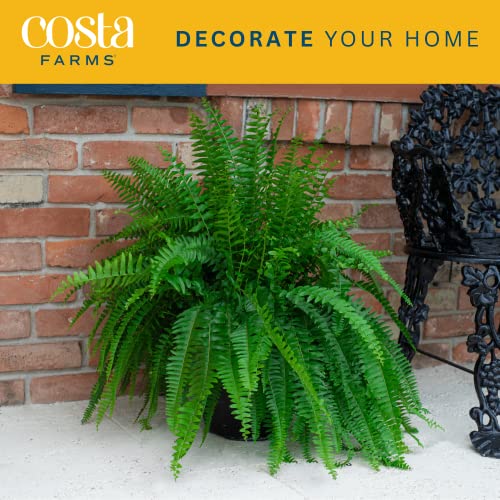
Boston Fern is a long-time favorite indoor plant thanks to its full arching fronds and soft textured foliage. It adds a lush, natural look to shelves, hanging baskets, and plant stands, making spaces feel fuller and more alive.
One of the biggest practical benefits of Boston Fern is its ability to release moisture into the air through transpiration, which can help dry indoor rooms feel more comfortable. This makes it especially useful during winter when indoor air often becomes dry.
While it has often been listed in traditional air-purifying plant guides, Boston Fern is best appreciated today for its humidity support, rich foliage, and ability to create a softer, greener indoor environment.
Tips for a Happy, Healthy Fern
While the Boston Fern requires a bit more care than some other houseplants, it’s stunning appearance and air-purifying abilities make it well worth the effort.
It thrives in bright, indirect light and prefers consistently moist soil – be sure to water it regularly to keep the soil from drying out.
The Boston Fern also appreciates humidity, so misting the leaves or placing the plant on a tray filled with pebbles and water can help keep it happy and healthy.
With a bit of attention, your Boston Fern will flourish, providing you with cleaner air and a touch of timeless beauty.
Read more: Boston Fern Care Indoors: 13 Easy Tips For Beginners
10. Areca Palm (Dypsis lutescens)

Mother’s gift two – areca Palm plant Dypsis lutescens 4” pot Easy to grow!!
Allow us to introduce you to the stunning and air-purifying Areca Palm (Dypsis lutescens).
This tropical beauty not only adds a touch of exotic elegance to your indoor spaces but also works tirelessly to purify the air around you.
With its ability to remove harmful pollutants and its striking appearance, the Areca Palm is a fantastic choice for those looking to improve both the look and air quality of their homes.
Let’s explore the many benefits of this captivating palm and how it can help create a healthier, more inviting living space!
The Exquisite Areca Palm
The Areca Palm, or Dypsis lutescens, is an eye-catching tropical palm known for its feathery, arching fronds and slender, cane-like stems.
Its lush, green foliage can add a touch of the tropics to any indoor space, making it a popular choice for homes and offices alike.
As it can grow up to 6-7 feet tall, the Areca Palm serves as a magnificent statement piece and can bring life and warmth to any room.
A Graceful Palm That Brightens Indoor Spaces

Areca Palm is one of the most popular indoor palms thanks to its soft feathery fronds and bright tropical appearance. Its upright growth and full shape make it a strong choice for filling empty corners and adding natural movement to a room.
Like many palms, Areca Palm releases moisture into the air through transpiration, which can help dry indoor spaces feel more comfortable. Its dense foliage also adds a lighter, softer feel compared to heavier broadleaf houseplants.
While Areca Palm has long appeared on classic air-purifying plant lists, it is best appreciated today for its elegant appearance, pet-friendly nature, and ability to bring a fresh tropical look to indoor spaces.
Caring for Your Tropical Treasure
While the Areca Palm may look exotic, it’s surprisingly easy to care for.
It prefers bright, indirect light but can tolerate lower light conditions as well.
When it comes to watering, be sure to keep the soil evenly moist but avoid overwatering, as this can lead to root rot.
The Areca Palm also appreciates some humidity, so misting the leaves occasionally or placing the plant on a tray filled with pebbles and water can help keep it happy and healthy.
With just a bit of attention, your Areca Palm will thrive, providing you with a gorgeous, air-purifying addition to your home.
Read more: Areca Palm Care Indoors: 7 Essential Tips For Dypsis lutescens
How Indoor Plants Help Your Home Feel Fresher
Indoor plants are often called air-purifying plants, but their real-world benefits are more balanced than many older articles suggest. A few houseplants will not clean a room the same way an air purifier or open window can, but they can still make your home feel more comfortable and alive.
They Add Natural Humidity
Many houseplants release moisture through their leaves, which can help dry rooms feel a little more comfortable.
They Make Rooms Feel Calmer
Healthy plants add softness, color, and a natural presence that can make indoor spaces feel more relaxing.
They Encourage Better Indoor Habits
Caring for plants often leads to better light, cleaner leaves, improved airflow, and more attention to the condition of your indoor space.
They Bring Life To Stale Spaces
Even when air-quality changes are modest, plants can make bedrooms, offices, and living rooms feel fresher and more welcoming.
Continue Exploring Indoor Plant Benefits
Best Air Purifying Indoor Plants FAQs
Do indoor plants really purify the air?
Indoor plants can absorb some compounds under controlled conditions, but normal homes are much larger and more complex than laboratory chambers. In real rooms, plants are better viewed as part of a healthy indoor environment rather than a replacement for ventilation or an air purifier.
What is the easiest air purifying indoor plant for beginners?
Snake Plant, Spider Plant, Golden Pothos, and Rubber Plant are some of the easiest choices for beginners because they tolerate normal indoor conditions and do not need constant attention.
How many plants do I need to clean the air in a room?
You would need a very large number of plants to create a major measurable air-cleaning effect in a typical room. For most homes, choose plants for beauty, comfort, humidity support, and ease of care instead of relying on them as air filters.
Are air purifying plants better than air purifiers?
No. Mechanical air purifiers and good ventilation are much more effective for improving indoor air quality. Houseplants are best used as a natural complement that makes a space feel greener and more comfortable.
What is the best air purifying plant for a bedroom?
Snake Plant, Spider Plant, Peace Lily, and Golden Pothos are good bedroom choices because they are attractive, fairly easy to care for, and tolerate indoor conditions well.
Which air purifying indoor plants are safe for pets?
Spider Plant and some palms, such as Areca Palm and Bamboo Palm, are commonly chosen for pet-friendly homes. Peace Lily, Snake Plant, Pothos, Aloe Vera, English Ivy, and Rubber Plant should be kept away from pets.
Best Air Purifying Indoor Plants Final Thoughts
The best air purifying indoor plants are worth growing, but it helps to understand what they realistically do. They are not a substitute for fresh air, proper cleaning, or a quality air purifier, but they can make your home feel greener, calmer, and more comfortable.
Choose plants that match your light, space, and care routine. A healthy Snake Plant in a bedroom, a Spider Plant in a hanging basket, or a Rubber Plant in a bright corner can all improve the look and feel of your home while giving you the everyday benefits of living with plants.
🌿 Indoor Houseplant Care Guides
- ♻️ Composting Indoors
- 🌳 Rubber Plant Care Indoors
- 🌸 Peace Lily Care Indoors
- 🧀 Swiss Cheese Plant Care
- 🎋 Indoor Bamboo Guide
- 🌱 Vertical Gardening Indoors
- 🌺 Bromeliad Care
- 🥢 Bamboo Plant Indoor Care
- ❤️ Anthurium Care Indoors
- 🌵 How to Grow Succulent Plants
- 🌿 Maidenhair Fern Indoor Care
- See all articles in our Houseplants category